SLCWD                     


A report on the status of our natural infrastructure


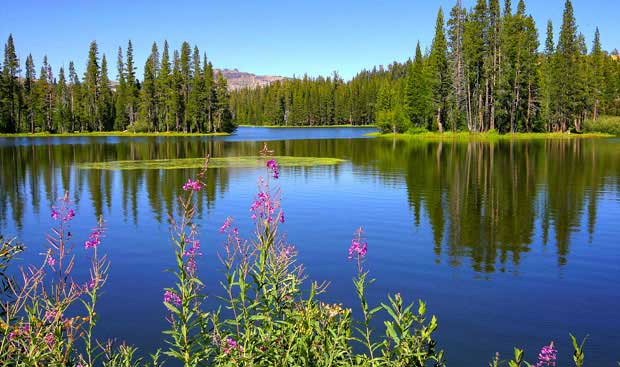
 Our lakes, Serena and Dulzura, are the most important part of our natural infrastructure. They provide water for domestic consumption (and fire fighting from time to time) boating, swimming and fishing; and are the focal point of all of our community activities. Obviously, without them Serene Lakes would not be Serene Lakes. Their importance cannot be overemphasized.


Our original permit to utilize the lake water was issued in the 1960Ős and since the subdivision was still in progress our permit was on a temporary, or continuing, basis with a requirement to renew every ten years. Last year, 2006, was the forth iteration of our renewal process and we prepared to update the required data as we had done in the past. However, we were advised by our water rights consultant that regulations governing water quality, as well as a more detailed justification for the quantity we were requesting, had been implemented during the past ten years. And that these requirements were now a prerequisite for extension of our permit.


In order to fulfill current permitting requirements we have engaged the services of a firm that specializes in studies of the California Environmental Quality Act (CEQA) as related to permitting for appropriation of water. In our case a necessary adjunct to this process is a hydrology study that will also be conducted. Our study will include the maximum and minimum levels of the lakes as measured by their mark on the dam, source water (precipitation in all forms), water withdrawn for domestic use, evaporation and the volume of water flowing over the spillway of the dam. In this instance the dynamic aspect of the equation (water flowing through the lakes) is probably more important than the static (amount of water impounded in the lake vessel).


There have been many significant changes in utilization of the lakes in the past ten years. Dwelling units have increased from 645 to 780, and recreational and commercial use has probably increased by a greater margin. These changes are reflected in the reports of water usage prepared by the District and provide a discriminate measure as to the increase in water demand over the period. However, a much more significant change has probably occurred in the capacity of the lake vessels. Our lakes, just like all mountain lakes, are evolving into mountain meadows by sediment washing into the lakes and plant growth accumulating from the bottom. This factor, along with possible reductions in the snow pack due to climate change, will be the focus of our hydrology study this summer.


We will provide updates on the process in subsequent newsletters.


Wade Freedle

President, SLCWD Board